
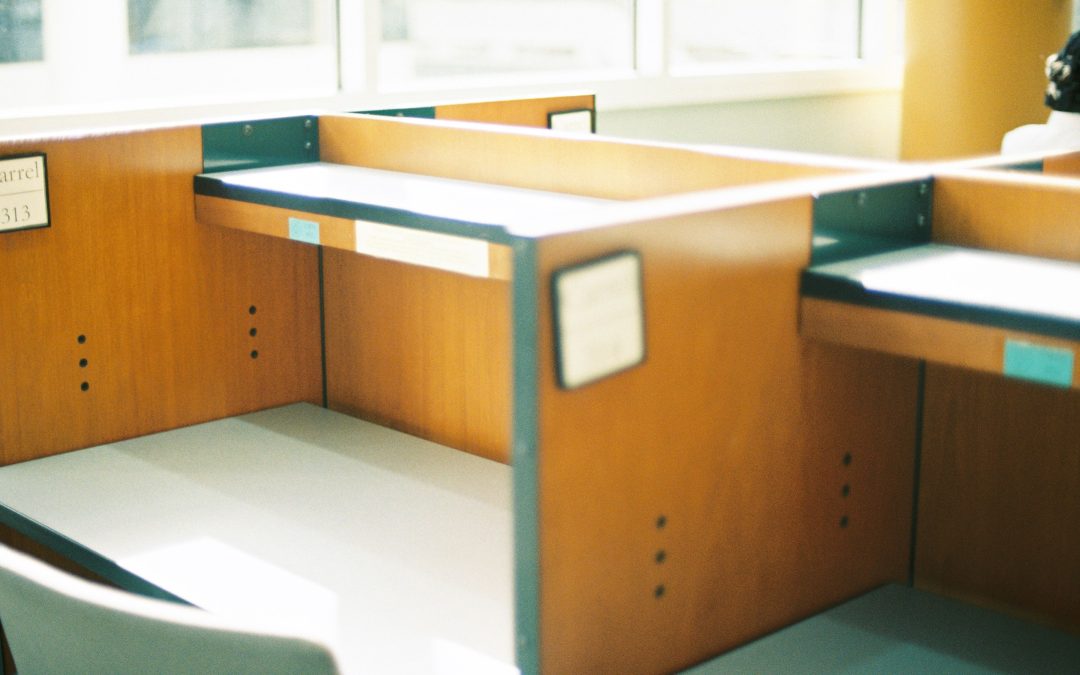
Busy commercial offices are designed to encourage teamwork, communication, and efficiency. However, when a workspace is filled with constant movement, noise, and visual activity, it can become difficult for employees to stay focused throughout the day. While many organizations invest in ergonomic seating and technology, workstation geometry is another important factor that influences how people experience their work environment.
The arrangement, orientation, and spacing of workstations can help minimize unnecessary visual distractions while creating a more comfortable place to work. Businesses exploring office cubicles in Winnipeg often consider how workspace layouts support both productivity and employee well-being.
How Visual Distractions Affect Daily Work
Modern offices often include open work areas, shared meeting spaces, and high-traffic walkways. While these designs promote interaction, they can also expose employees to frequent distractions. Common visual interruptions include:
- People walking past workstations
- Nearby conversations and meetings
- Constant movement in common areas
- Multiple computer screens within view
- High levels of activity near entrances or shared equipment
Even when these interruptions seem minor, repeated exposure can make it more difficult to maintain concentration during tasks that require sustained attention.
How Workstation Geometry Helps Improve Focus
Thoughtful workstation planning can help reduce unnecessary distractions without completely separating employees from one another.
Strategic Orientation
Positioning desks so employees are not directly facing busy corridors or heavily trafficked areas reduces the amount of movement entering their field of vision.
Instead of constantly noticing people passing by, employees can focus more easily on their work.
Proper Workspace Separation
Dividers and workstation panels provide visual definition without creating fully enclosed offices.
Many office cubicles Winnipeg businesses use have varying heights to balance privacy with accessibility. This approach helps reduce distractions while still supporting communication among team members.
Organized Traffic Flow
Office layouts that clearly separate work zones from collaborative spaces minimize interruptions caused by frequent foot traffic.
When employees can move throughout the office without crossing directly through focused work areas, everyone benefits from fewer unexpected distractions.
Reducing Cognitive Fatigue Through Better Office Design
Cognitive fatigue develops when the brain continuously processes large amounts of information over extended periods. In busy offices, employees are often exposed to constant visual movement, multiple conversations, digital notifications, frequent interruptions, and changing work priorities.
A calmer workspace may make it easier to stay focused during longer periods of concentrated work while supporting a more comfortable work environment overall.
Balancing Collaboration and Privacy
Today’s offices rarely function best as either completely open or completely enclosed environments. Instead, many organizations benefit from creating different zones that support various types of work.
Providers of office cubicles Winnipeg solutions often help businesses select workstation systems that support this balance while making efficient use of available office space.
Planning a Workspace That Supports Your Team
Inspired Business Interiors works with organizations to provide office furniture and workspace solutions that help businesses create functional, adaptable environments. From workstation systems and seating to collaborative furniture, thoughtful planning helps ensure each space supports the way employees work.
Workstation geometry is more than simply arranging desks within an office. The positioning of workstations, traffic flow, and workspace boundaries all contribute to how employees experience their environment throughout the day.
By reducing unnecessary visual distractions and creating spaces that support both focused work and collaboration, businesses can build offices that feel organized, efficient, and comfortable.